

Pelvic Organ Prolapse

Your body, your Choice : Pelvic Organ Prolapse
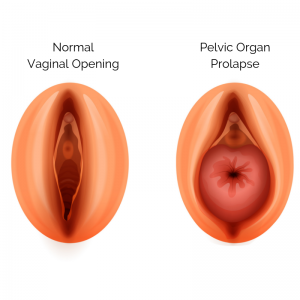
Pelvic Organ Prolapse is a condition in which women feel or notice something bulging or coming out of the vagina. This happens when the pelvic floor muscles and tissues—responsible for supporting the uterus, bladder and rectum—become weak. As these structures lose support, the uterus or vaginal walls may slip downward into the vaginal canal. This condition is commonly seen in women who have undergone multiple vaginal childbirths, are overweight, or are experiencing age-related weakening of pelvic tissues.
Pelvic Organ Prolapse includes different types such as anterior vaginal wall prolapse (cystocele), posterior vaginal wall prolapse (rectocele or enterocele), and uterine prolapse. Since prolapse is a progressive condition, it often remains unnoticed until symptoms worsen. Early diagnosis and appropriate prolapse Treatment can significantly improve quality of life, combining lifestyle modifications, therapies, and in advanced cases, surgical correction.
What is pelvic Organ Prolaspe?
The primary goal in managing Pelvic Organ Prolapse is to prevent further deterioration and relieve symptoms such as pain, discomfort and incontinence. Accurate diagnosis helps determine the severity and type of prolapse, ensuring the right treatment approach. The five major types of prolapse include:
- Cystocele : When the bladder bulges through the anterior vaginal wall. This is known as anterior vaginal wall prolapse.
- Rectocele : When the rectum pushes into the posterior vaginal wall, causing posterior wall prolapse.
- Uterine Prolapse : Downward descent of the uterus into or out of the vaginal canal.
- Enterocele : Herniation of small bowel loops into the vaginal space.
- Procedentia : Complete prolapse where the uterus and vaginal walls protrude outside the vaginal opening.
What are the benefits of prolapse Treatment?
Appropriate prolapse Treatment provides multiple benefits, including:
- Reduction of urinary incontinence and leakage
- Relief from heaviness, dragging sensation or pelvic pressure
- Decrease in pain experienced during sexual intercourse
- Improved bowel movements by correcting rectal pressure
- Enhanced self-confidence by eliminating vaginal bulging
Who Is Suitable for Prolapse Treatment?
Women may require prolapse Treatment if they:
- Feel something protruding or bulging from the vagina
- Notice tissue near or outside the vaginal opening
- Experience heaviness, pelvic pressure or discomfort
- Suffer from any type of urinary incontinence
- Have irregular bowel movements or constipation
- Face pain or discomfort during sexual intercourse
Who is suitable for Prolapse Treatment?
Prolapse Treatment is recommended to women who:
- Who have feeling of something coming out of vagina.
- Have tissue protrusion near the vagina.
- Face intense pressure in the vaginal area and also experience heaviness.
- Suffer from incontinence of any sort.
- Have an irregular bowel movement.
- Face extreme pain during sexual intercourse.
What does the Prolapse Treatment cost?
The cost of prolapse Treatment varies based on the severity of the prolapse, diagnostic requirements, and whether surgical repair is required. After a detailed evaluation, your consulting specialist will recommend the most suitable treatment plan along with an approximate cost estimate. You may consult our hospital for guidance on prolapse Treatment cost in Delhi, India.
What Is the Prolapse Treatment Process?
During your first visit, our expert evaluates your symptoms and performs initial tests to understand the nature and extent of the prolapse. You will receive detailed information about available treatment options, helping you make an informed decision on whether to proceed.
A detailed medical review follows, where our specialist studies your test results thoroughly. Based on this assessment, our best surgeon for prolapse Treatment designs a customized plan. Severe cases often require surgical correction to restore pelvic support and improve daily functioning.
On the day of treatment, all preliminary assessments are completed. Your surgeon reviews the treatment plan once again to ensure full clarity. The procedure typically involves repositioning the prolapsed organs and reinforcing weakened tissues to restore proper anatomical support. Surgical techniques vary depending on the type of prolapse and individual patient needs.
Recovery time depends on the severity of the condition, the type of surgical repair performed, and individual healing capacity. Our specialist monitors your initial recovery and discharges you once satisfactory progress is observed.
Post-treatment care is essential for long-term success. Our expert schedules follow-up visits to ensure smooth recovery, manage any discomfort and monitor strengthening of pelvic support. Our team is always available to address queries or concerns during your healing period.
Expert Pelvic Organ Prolapse Care at Shyama Hospital
At our hospital, prolapse Treatment by cosmetic gynaecologist specialists ensures accurate diagnosis, advanced surgical correction and compassionate care. With comprehensive evaluation, personalised treatment plans and dedicated follow-up, we help women regain comfort, confidence and pelvic health.
Our Commitment Is To Provide Quality Care
Contact info
- 011-25030036